
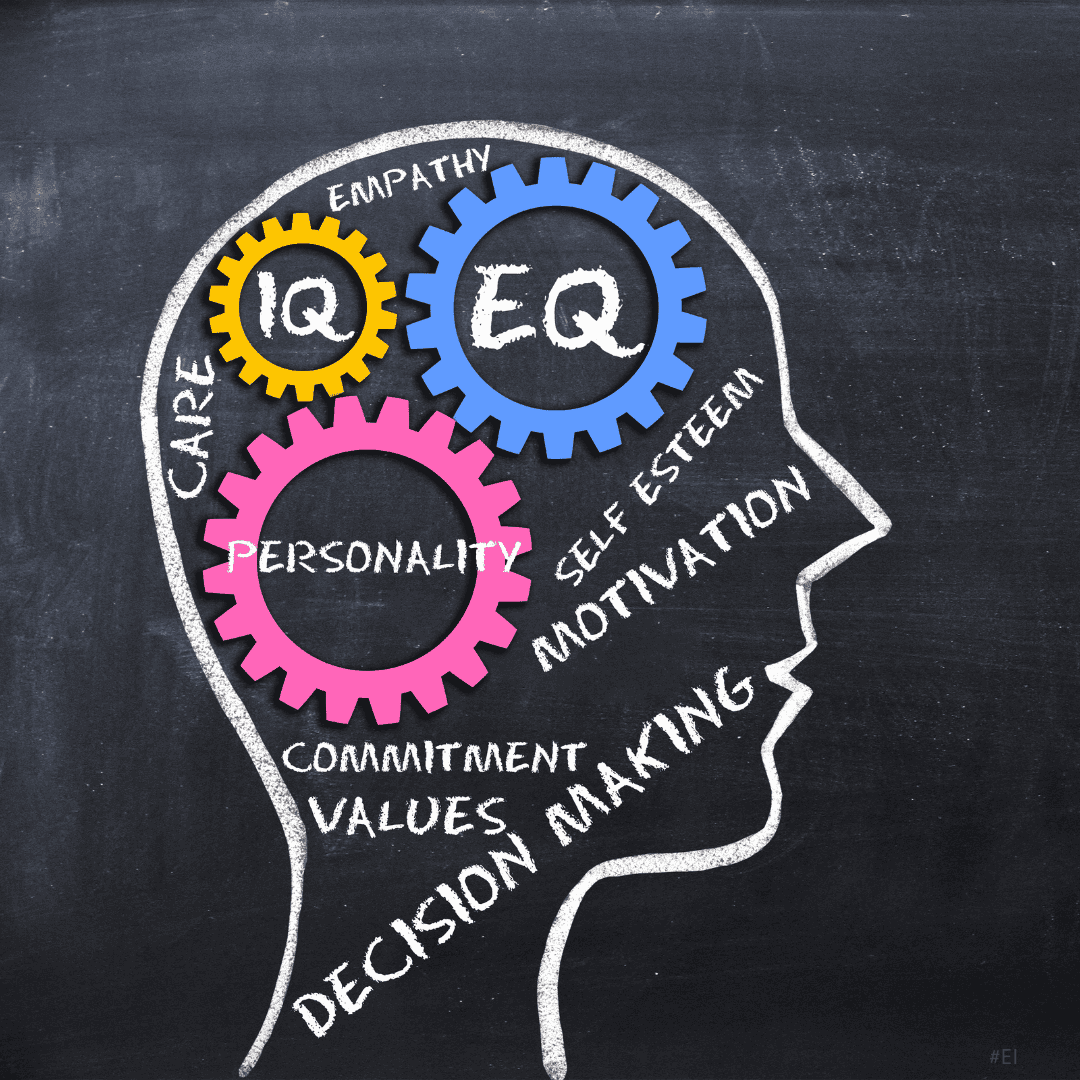
 Most coaches focus on strategy, tools, and frameworks. Do those things matter? Of course they do. But there’s a hidden skill that sets the most successful coaches apart. It isn’t flashy, and you won’t always notice it at first. Yet it’s the difference between struggling to sign clients and building lasting relationships that keep your business thriving.
That skill is emotional intelligence.
Emotional intelligence, or EI, is the ability to recognize, understand, and manage your own emotions while also recognizing and responding to the emotions of others. In simple terms, it’s about being smart with feelings.
And in business, it’s often the real reason you win trust, loyalty, and repeat clients.
Why Emotional Intelligence Matters More Than Raw Talent
You can have the sharpest business strategy in the world, but if you can’t connect with people, it won’t matter. Coaching and consulting are “people” businesses. Clients want someone who gets them, not just someone with answers.
Think about it. When you meet a coach who makes you feel seen and understood, you’re more likely to work with them and stay with them. On the other hand, even if someone has incredible expertise, you’ll hesitate if they seem detached or unaware of your needs.
Emotional intelligence is what bridges that gap. It builds connection, trust, and credibility faster than credentials alone.
 The Four Core Areas of Emotional Intelligence in Business
Psychologist Daniel Goleman outlined four main areas of EI.
1) Self-Awareness
Notice your emotional triggers.
Example: You realize you get impatient when clients are indecisive, so you prepare calming strategies in advance.
2) Self-Management
Regulate your emotions instead of reacting.
Example: A client cancels last minute. Instead of snapping, you pause, reframe the situation, and respond professionally.
3) Social Awareness
Pick up on others’ feelings and unspoken cues.
Example: A client says “I’m fine,” but their body language shows frustration. You gently ask follow-up questions to uncover the real issue.
4) Relationship Management
Use empathy and communication to strengthen connections.
Example: You remember a client’s big presentation and check in afterward. That small gesture deepens the relationship.
These four areas build on each other. Self-awareness fuels self-management. Together, they allow you to read others better and manage relationships with more skill.
How Emotional Intelligence Impacts Client Trust and Retention
Coaches and consultants don’t just sell services. They sell clarity, support, confidence, and most importantly, transformation. Emotional intelligence directly shapes how clients experience those things.
- In sales conversations: EI helps you listen beyond surface-level words. You can address real concerns instead of giving generic answers.
- During sessions: EI allows you to guide clients through resistance, setbacks, and doubt without shutting them down.
- After engagements: EI helps you follow up in ways that feel personal and thoughtful, encouraging clients to come back or refer others.
Emotional intelligence makes clients feel safe, valued, and understood. And that feeling is what keeps them coming back.
 Simple Practices to Build Emotional Intelligence Daily
Emotional intelligence isn’t fixed. It’s a skill you can learn and strengthen with practice. Here are a few simple ways to start:
1) Check in with yourself daily
Ask, “What am I feeling right now, and how is it affecting me?” Naming emotions builds self-awareness.
2) Practice the pause
Before reacting in a tense moment, count to three. That tiny pause gives you space to respond with intention.
3) Use curiosity in conversations
Instead of assuming, ask, “Can you tell me more about that?” It opens doors and shows genuine care.
4) Reflect after client calls
Jot down what emotions you noticed, both yours and theirs. Over time, this sharpens your ability to spot patterns.
5) Mirror positive energy
Match your client’s tone and pace when appropriate. It signals alignment and builds rapport naturally.
These are small habits, but over time they create a big shift in how you show up and how others experience you.
Real-World Examples of Coaches Using EI to Stand Out
- A leadership coach notices a client’s hesitation when talking about team conflict. Instead of pushing forward, she slows down, acknowledges the discomfort, and creates space for honest dialogue. That builds trust.
- A business consultant gets feedback that his tone in emails feels too blunt. He starts running his drafts through a free tone analyzer tool to ensure warmth and clarity. As a result, clients feel more supported.
- A mindset coach checks in with her own emotions before each call. By showing up calm and centered, she models emotional regulation and creates a safe space for clients.
These aren’t dramatic changes. They’re small, emotionally intelligent choices that add up to stronger business relationships.
At its core, emotional intelligence is about awareness and connection. It helps you understand yourself, understand others, and build bridges that strategy alone can’t create.
For coaches and consultants, this skill is not optional. It’s the difference between surface-level interactions and meaningful relationships that fuel long-term success.
The secret skill isn’t just knowledge. It’s emotional intelligence. The ability to tune in, connect deeply, and respond with wisdom.
For more tips on emotional intelligence, join us over in your Facebook group.
